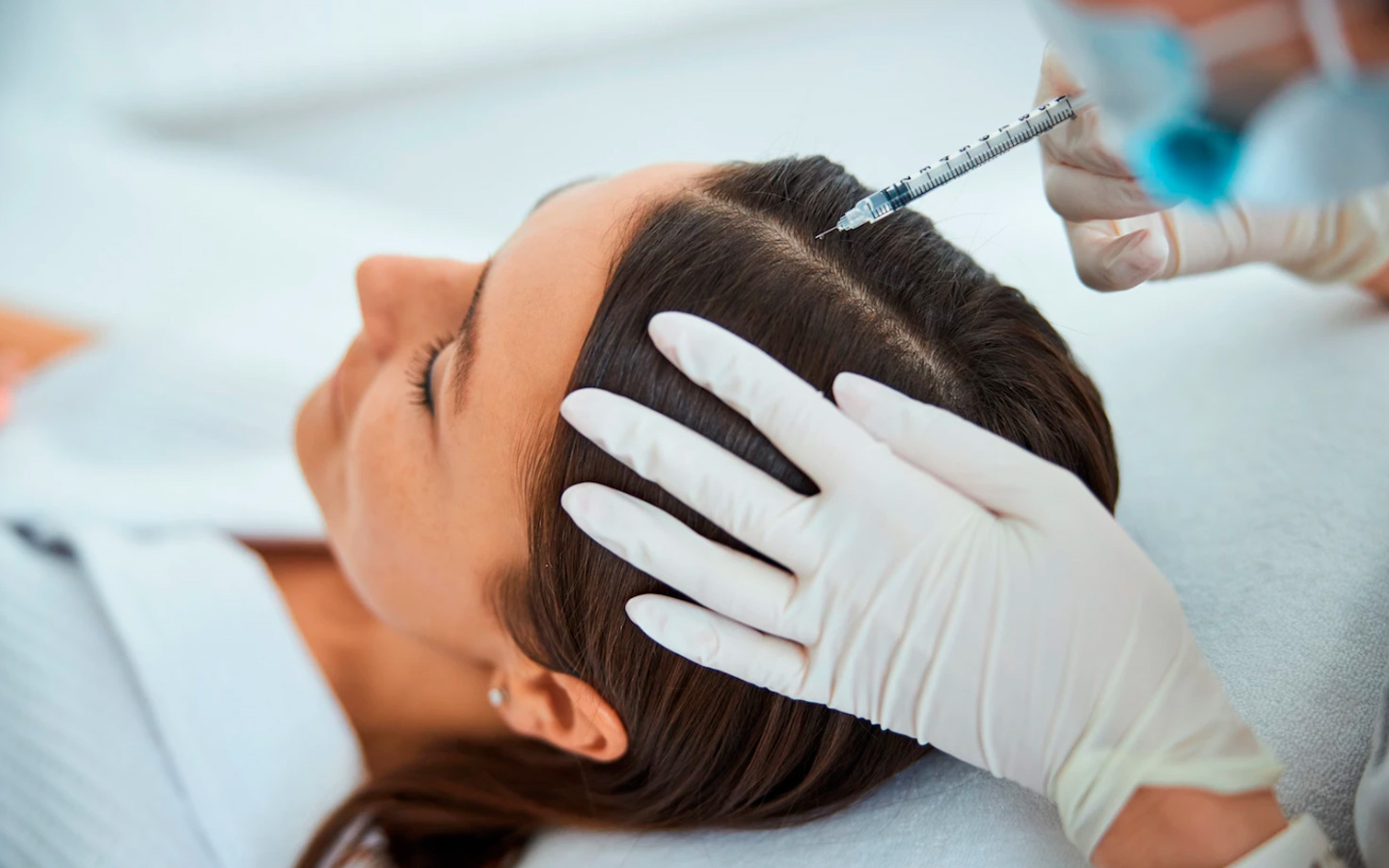
Platelet-Rich Plasma (PRP) therapy has emerged as a revolutionary solution for people struggling with hair loss or thinning. It stimulates natural hair growth using your body’s own platelets, which are rich in healing and growth factors. While the treatment is safe and non-surgical, your post-treatment care routine plays a vital role in determining how effective your results will be. Proper aftercare ensures faster healing, prevents irritation, and maximizes the treatment’s benefits.
If you’ve recently undergone PRP Hair Treatment in Islamabad or are planning to do so, understanding how to care for your scalp afterward is essential. Let’s explore the most effective post-PRP care steps, what to avoid, and how to ensure your scalp heals beautifully while supporting healthy hair growth.
Why Post-PRP Scalp Care Matters
After PRP therapy, your scalp may feel sensitive, slightly swollen, or tender. This is completely normal because tiny injections have been administered to deliver plasma deep into the scalp’s layers. Your body immediately begins the natural repair and rejuvenation process, and how you care for your scalp during this phase can either enhance or delay your results.
The aftercare period is when the PRP begins to interact with your hair follicles, stimulating growth and improving hair density. Simple actions — such as avoiding harsh hair products or managing sun exposure — can significantly impact how quickly your scalp recovers and how effectively the platelets work.
Immediate Aftercare: The First 24 Hours
The first 24 hours after PRP therapy are the most crucial for protecting your scalp and ensuring smooth healing. Follow these essential guidelines:
1. Avoid Touching or Scratching Your Scalp
Your scalp may feel itchy or tender, but avoid touching or scratching the area. The injection sites need time to heal, and touching them can increase the risk of infection or irritation.
2. Do Not Wash Your Hair
Wait at least 24 hours before washing your hair. Water, shampoos, or conditioners can interfere with the healing process and dilute the plasma. After the first day, you can gently cleanse your hair with a mild, sulfate-free shampoo.
3. Stay Away from Heat and Sweat
Avoid direct sun exposure, saunas, hot showers, or vigorous exercise for the first 24 hours. Excessive heat and sweat can inflame the scalp and delay healing.
4. Avoid Alcohol and Smoking
Both alcohol and smoking restrict blood flow, slowing down the healing process and reducing the effectiveness of the PRP. Stay away from them for at least 48 hours post-treatment.
Short-Term Care: The First Week
The first week after PRP treatment is when your scalp starts to heal and adjust to the changes. This period requires careful attention:
1. Use Gentle Hair Products
Choose mild, chemical-free shampoos and conditioners. Avoid products containing sulfates, parabens, or fragrances, as these can irritate the scalp. Natural or dermatologist-approved hair care products are ideal.
2. Avoid Hair Styling Products
Do not use hair sprays, gels, or serums during the first few days after PRP. The chemicals can block follicles and slow down healing.
3. Avoid Hair Coloring or Chemical Treatments
Wait at least two to three weeks before dyeing your hair or undergoing any chemical treatments. Your scalp needs time to recover before being exposed to any harsh substances.
4. Stay Hydrated
Drinking plenty of water supports the body’s natural healing process and helps maintain healthy scalp hydration. Proper hydration ensures that the platelets perform optimally in repairing and stimulating the follicles.
5. Eat a Nutrient-Rich Diet
A balanced diet enhances recovery and strengthens your hair. Include foods rich in protein, iron, biotin, and omega-3 fatty acids — such as eggs, fish, spinach, nuts, and seeds.
Long-Term Scalp Care for Lasting Results
While the initial week is all about healing, your scalp continues to respond to the PRP therapy for months. Proper long-term care ensures that you get the most out of your sessions.
1. Maintain a Healthy Scalp Environment
Keeping your scalp clean, hydrated, and nourished encourages continued follicle growth. Gentle massages (once your doctor approves) can improve blood circulation and boost PRP effectiveness.
2. Avoid Stress
Stress is one of the leading causes of hair thinning. Incorporate relaxation techniques such as yoga, meditation, or regular exercise to reduce stress and maintain hormone balance, supporting hair regrowth.
3. Follow-Up Sessions Are Key
PRP is not a one-time treatment. Most patients require three to four sessions spaced a month apart, followed by maintenance sessions every six to twelve months. Consistency is crucial to sustain long-term results.
4. Protect Your Scalp from UV Rays
Ultraviolet radiation can damage your scalp and slow healing. Wear a hat or use a dermatologist-approved sunscreen spray for the scalp if you must spend time outdoors.
5. Avoid Harsh Hairstyles
Tight ponytails, braids, or buns can strain the hair and damage new follicles. Opt for loose hairstyles that minimize stress on your hair roots.
What You Should Avoid After PRP Hair Treatment
To maximize the results of your PRP therapy and protect your scalp, here are some things you should avoid for the first few weeks:
- Hair Oils: Avoid using oils for the first five days after treatment, as they may clog pores and interfere with platelet activity.
- Swimming Pools: Chlorinated water can irritate your scalp and reduce treatment efficacy.
- Excessive Sun Exposure: Direct sunlight can increase inflammation and delay healing.
- Anti-Inflammatory Medications: Avoid NSAIDs (like ibuprofen) unless prescribed, as they can reduce the body’s natural healing response.
Signs Your Scalp Is Healing Well
You’ll know your scalp is responding positively to PRP if:
- Swelling and tenderness fade within a few days
- You experience mild itchiness (a sign of healing)
- Your scalp feels healthier and less dry
- You notice a gradual decrease in hair shedding
- Within a few weeks, you begin to see fine baby hairs emerging
These signs indicate that the PRP is stimulating your hair follicles effectively.
When to Contact Your Doctor
While PRP therapy is very safe, you should contact your doctor if you notice:
- Persistent pain or swelling beyond three days
- Unusual redness, bleeding, or pus
- Signs of infection
- Severe itching or allergic reactions
Your dermatologist will evaluate the condition and suggest a soothing or antibiotic treatment if necessary.
Tips to Maximize PRP Results
- Be consistent — complete all your PRP sessions as recommended.
- Follow aftercare instructions strictly.
- Combine PRP with a healthy lifestyle — good nutrition, sleep, and stress management boost results.
- Use recommended hair growth products — your doctor may suggest serums or supplements to enhance the effects of PRP.
Conclusion: Healthy Scalp Care Leads to Stronger Hair Growth
Caring for your scalp after PRP therapy is just as important as the treatment itself. Proper aftercare ensures that the platelets work efficiently, helping your hair follicles grow stronger and healthier. From avoiding heat and harsh products to staying hydrated and following a balanced diet, every small step contributes to better, longer-lasting results.
If you’re looking to restore your hair naturally, trust the experts at the Dynamic Aesthetic Clinic. Their specialists provide customized treatment plans, professional aftercare guidance, and ongoing support to help you achieve the best possible outcome from your PRP Hair Treatment in Islamabad. With their expertise and your dedication to scalp care, you can enjoy stronger, thicker, and more vibrant hair for years to come.
No responses yet