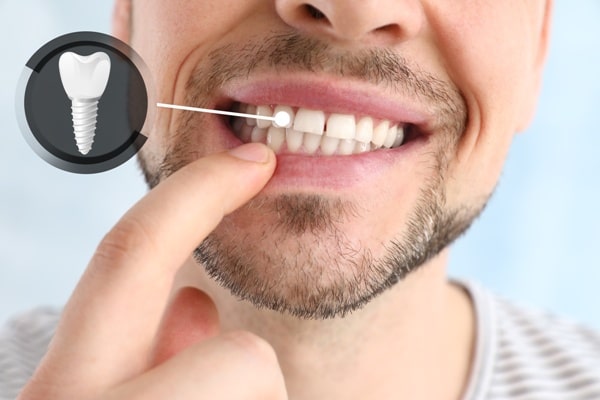
Dental implant surgery is one of the most effective and permanent solutions for missing teeth. Patients love the fact that implants restore both functionality and appearance, but one of the most common concerns before surgery is: “How long will I need to recover before I can return to work?” The answer depends on your overall health, the complexity of the surgery, and how well you follow aftercare instructions. If you are planning to get Dental Implants in Islamabad, it is important to understand what to expect after surgery and how soon you can resume your professional life.
Understanding Dental Implant Surgery
Dental implant surgery involves placing a titanium post into the jawbone to act as an artificial tooth root. Over time, the implant fuses with the bone through a process called osseointegration. Depending on your case, you may receive one implant, multiple implants, or even a full arch replacement.
While the procedure itself is relatively straightforward and often done under local anesthesia, recovery and healing take time. Knowing when to return to work depends largely on how your body responds to the surgery.
Typical Recovery Timeline
Although every patient’s recovery is unique, here’s a general breakdown of what you can expect:
- First 24 hours: Rest is essential. Most patients experience swelling, minor bleeding, and some discomfort. You should avoid work during this period.
- 2–3 days after surgery: Many patients feel well enough to resume light activities or desk jobs. Swelling and soreness may still be present, but manageable with prescribed medications.
- 1 week after surgery: Swelling usually subsides, stitches (if used) may be removed, and patients begin to feel more comfortable. At this stage, returning to work is possible for most people.
- 2 weeks and beyond: Normal routines can typically be resumed, though heavy physical labor should be avoided until your dentist clears you.
Factors That Affect When You Can Return to Work
The recovery period after dental implant surgery depends on several factors:
1. Type of Work You Do
- Office jobs or remote work: You can usually return within 2–3 days.
- Jobs involving heavy labor or physical exertion: May require at least a week or more of rest to avoid complications.
2. Number of Implants Placed
- Single implant: Recovery is quicker, and many return to work in 2–3 days.
- Multiple implants or full arch replacement: Recovery may take longer, sometimes up to a week before resuming work.
3. Complexity of the Surgery
If bone grafting or sinus lifts were performed alongside implants, additional healing time will be necessary.
4. Individual Healing Response
Every patient heals differently. Your overall health, immune system, and adherence to aftercare instructions influence recovery speed.
5. Pain and Swelling Management
Proper use of medications, cold compresses, and following a soft diet can significantly speed up recovery, allowing you to get back to work sooner.
What to Expect in the First Few Days
In the immediate days after surgery, you may experience:
- Swelling: Peaks around 48 hours and then gradually reduces.
- Discomfort: Usually controlled with pain medication.
- Bleeding: Light bleeding is normal during the first 24 hours.
- Diet restrictions: Soft foods and liquids are recommended.
Attempting to work too soon may cause strain, especially if your job is physically demanding.
Tips to Help You Return to Work Sooner
If you want to resume your job as quickly as possible, here are some expert tips:
- Plan your surgery before a weekend or holiday: This allows extra rest without missing workdays.
- Follow post-operative instructions carefully: Proper care speeds up healing and reduces risks.
- Apply cold compresses: Helps control swelling during the first 48 hours.
- Stick to a soft diet: Prevents strain on your jaw and surgical site.
- Stay hydrated and avoid smoking: Both play a key role in faster healing.
- Communicate with your employer: If needed, arrange lighter duties for the first few days back.
When to Avoid Returning to Work Too Soon
While many patients are eager to get back to work, it’s crucial not to rush recovery. Returning too early may:
- Increase swelling and discomfort.
- Risk dislodging blood clots, leading to dry socket or delayed healing.
- Make it harder to manage pain and focus on tasks.
- Lead to complications, especially in jobs requiring heavy lifting or physical stress.
Your dentist will be the best person to advise you on the exact timeline based on your healing progress.
Signs You Are Ready to Return to Work
You are likely ready to return to work when:
- Swelling and bleeding have subsided.
- Pain is minimal and easily managed.
- You can eat soft foods comfortably.
- You feel rested and able to focus on tasks.
For some, this may be just a couple of days, while others may need closer to a week.
Long-Term Recovery vs. Short-Term Work Readiness
It’s important to note that even though you may return to work within a few days, complete healing of dental implants can take 3–6 months as the implant fuses with your jawbone. During this period, follow-up appointments are crucial to monitor your progress.
Returning to work does not mean the healing process is complete—it simply means you are comfortable enough to resume your daily routine while your body continues to heal internally.
Conclusion
Knowing when to return to work after dental implant surgery depends on your job type, the complexity of your procedure, and how your body responds to healing. While many patients with desk jobs can return within 2–3 days, those with physically demanding jobs may need at least a week of rest. The key is to listen to your body, follow your dentist’s instructions, and prioritize your long-term oral health over rushing back to work.
No responses yet