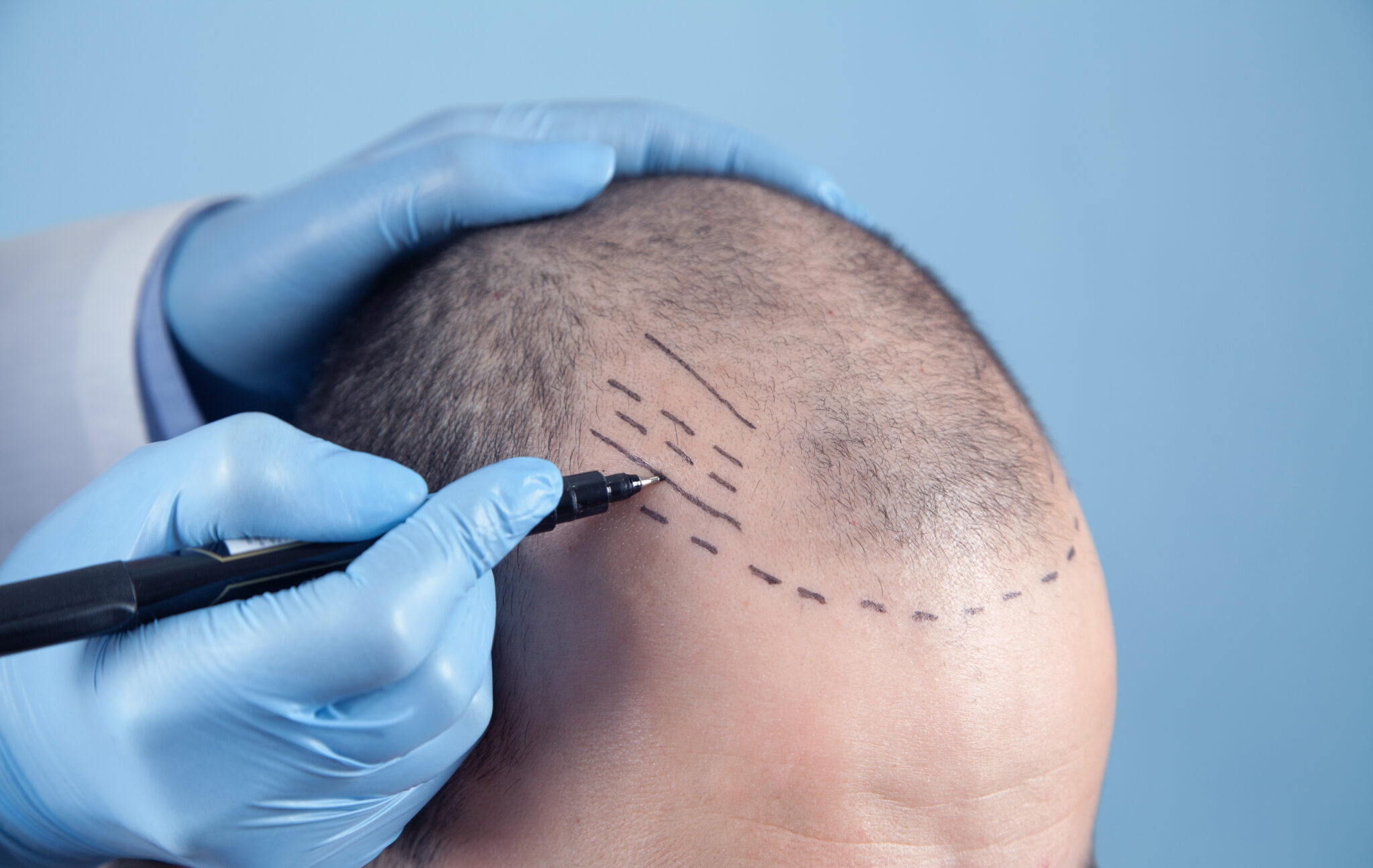
Hair transplant procedures have come a long way in recent years, offering permanent solutions for individuals experiencing baldness or thinning hair. One of the more challenging areas to restore is the crown or vertex of the scalp. This part of the head presents unique obstacles due to its circular growth pattern, reduced blood flow, and progressive nature of hair loss. If you’re considering a Crown hair transplant in Islamabad, it’s important to understand why some procedures fail and, more importantly, how you can avoid those pitfalls.
Understanding Crown Hair Transplant Challenges
Unlike frontal hairline restoration, crown hair transplant procedures must tackle a swirl-like hair growth pattern that makes follicular placement more complex. Additionally, the crown area typically has poorer blood supply compared to the front or mid-scalp, which can affect graft survival. Moreover, hair loss in the crown region often continues for a longer period, sometimes even after a transplant.
These anatomical and physiological factors make the crown area one of the most technically demanding zones to restore through surgery.
Common Reasons Why Crown Hair Transplants Fail
1. Insufficient Donor Area
One of the most common reasons for failure is a lack of sufficient donor hair. The back and sides of the scalp are usually used as the donor area. If the donor area is weak or overharvested, the grafts may not be viable, and the results may appear thin or patchy.
How to Avoid It:
A skilled surgeon will first assess your donor area density and quality before recommending crown transplantation. If donor hair is limited, they might prioritize the frontal hairline or suggest alternative treatments.
2. Poor Graft Handling
During the transplant procedure, hair follicles are removed and then re-implanted into the recipient area. If the grafts are not handled properly — either due to dehydration, prolonged exposure, or rough manipulation — they may not survive.
How to Avoid It:
Choose a clinic that uses state-of-the-art graft preservation techniques. Ensure that the surgical team follows best practices in graft extraction and placement.
3. Improper Surgical Technique
The angle and direction of hair placement are particularly important in the crown region due to its spiral growth pattern. Failure to mimic the natural pattern can result in an unnatural appearance.
How to Avoid It:
Opt for a surgeon with specific experience in crown transplants. Always review before-and-after photos of past patients treated by the clinic.
4. Unrealistic Expectations
Sometimes, patients expect full density with a single procedure. However, due to the area size and limited donor supply, achieving high density in the crown can be difficult in one go.
How to Avoid It:
Manage your expectations realistically. Understand that you may need more than one session and that achieving perfect density in the crown is often less feasible than in the hairline.
5. Progression of Hair Loss
The crown area is notorious for progressive hair loss. A transplant in this region can fail over time if the surrounding native hair continues to thin or fall out, leading to a “halo effect” around the transplanted grafts.
How to Avoid It:
Plan the surgery at the right stage of hair loss. Consider ongoing treatments like minoxidil or finasteride to stabilize future hair fall.
6. Infections or Scalp Issues Post-Surgery
Infections, excessive scabbing, or poor aftercare can compromise graft survival and lead to failed transplants.
How to Avoid It:
Follow your post-op care instructions meticulously. Keep the scalp clean and avoid scratching or touching the grafted area unnecessarily.
7. Smoking and Health Issues
Smoking reduces oxygen supply and blood circulation, both of which are crucial for graft survival. Additionally, underlying health issues like diabetes or autoimmune disorders can interfere with healing.
How to Avoid It:
Stop smoking at least two weeks before and after surgery. Disclose any health conditions to your doctor during the consultation phase.
How to Ensure a Successful Crown Transplant
If you’re committed to restoring the crown of your scalp, here’s what you can do to increase the success rate:
1. Consult a Qualified Surgeon
Choose a board-certified, experienced surgeon with a proven track record in crown hair restoration. Not all surgeons are equally skilled in handling the complexities of this area.
2. Invest in Pre-Operative Planning
Ensure your scalp is healthy, your donor area is sufficient, and your expectations are aligned with what is realistically achievable.
3. Combine with Non-Surgical Treatments
Supporting your transplant with PRP (Platelet-Rich Plasma) therapy or medications can enhance graft survival and stimulate natural hair growth.
4. Stick to Post-Op Care
Don’t neglect the aftercare. Proper scalp hygiene, avoiding strenuous activity, and staying hydrated can all influence your healing and final outcome.
5. Think Long-Term
A successful hair transplant isn’t just about how it looks after 3 months. Monitor your hair growth over 12-18 months and consider long-term maintenance strategies to combat ongoing loss.
When to Consider Revision Surgery
If your crown transplant has failed or yielded unsatisfactory results, you might be eligible for revision surgery. However, it’s crucial to wait at least 12 months before considering a second procedure. This gives your scalp enough time to heal and allows for full evaluation of the graft performance.
Revision surgeries are usually more complex, so finding a highly skilled surgeon is even more critical in such cases.
Final Thoughts
Crown hair transplants are highly effective when done under the right conditions and with the right expertise. However, several variables can lead to unsatisfactory outcomes — from inadequate planning and improper technique to post-surgery negligence. The good news is that most of these issues are preventable.
By choosing a reputable clinic, undergoing thorough consultations, and following your surgeon’s instructions, you can significantly improve your chances of a successful and natural-looking crown restoration.
If you’re considering a Crown hair transplant in Islamabad, make sure to consult professionals who understand the intricacies of crown restoration and tailor the treatment plan to your specific needs. One such trusted name in Pakistan’s hair restoration landscape is Dynamic Clinic, known for its experienced surgeons and advanced hair transplant techniques.
No responses yet